

Blog
Symbol distribution pokies guide for Australian players

You have been told that picking a pokies game is about chasing the biggest jackpot on the board. That advice is lazy and often wrong. The real work happens long before you tap spin, in the way a developer spreads symbols across the virtual reels. If you have never registered anywhere, start here, because understanding symbol distribution is the first honest step from complete beginner to someone who actually knows what they are buying. A decent symbol distribution pokies guide Australia will walk you through that spread instead of flashing bonus screens at you.
Think of it like tuning a DeFi staking contract before you lock capital in. You would not deposit tokens into a vault without checking the reward curve, the lock periods and the exit friction. Pokies are no different. The paytable tells part of the story, but the symbol distribution underneath decides how often you see each icon, how frequently the lower-paying icons crowd the screen, and whether a bonus round is a genuine opportunity or a rare lottery ticket. My background is in product building and go-to-market for digital gambling applications, and I have watched too many players burn through entertainment budgets because they treated every game as if it paid the same way.
Most first-timers in Australia are doing this on a payday rhythm that leaves little room for error. You get paid, the rent and the grocery run eat the bulk of it, and what is left over is meant to be a night out or a quiet session at home. Cost-of-living pressure has squeezed that leftover amount hard. So when you finally sit down with a machine, you want to know whether the symbols are stacked to give you frequent small returns or whether the screen is mostly filler between long dry stretches. That question matters more than the theme, more than the soundtrack, and more than the bright graphics that catch your eye on a pedestrian.tv feed while you are scrolling between trains.
What symbol spread actually means on the reels
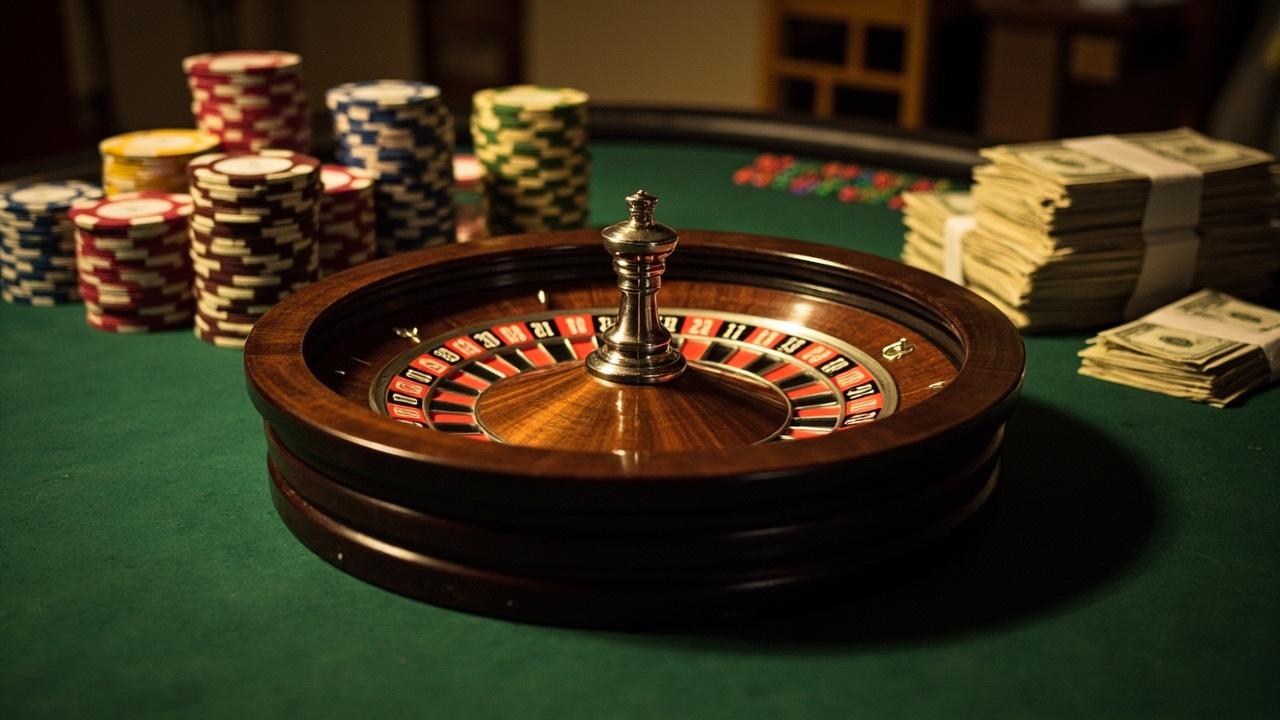
A pokies game looks simple from the outside because the symbols are just pictures on a grid. The distribution is the invisible architecture behind those pictures. Every virtual reel has a set number of stops, and each symbol occupies a certain number of those stops across the visible positions. If a cherry sits on twenty stops and a high-paying dragon sits on two, you will see cherries constantly and the dragon only on rare, unpredictable moments. That is not a secret, it is just the maths dressed up as entertainment.Overland
I have spent eight years in Web3 and iGaming, and the discipline transfers cleanly. In token design, you model the emission schedule before launch so you know whether holders get steady rewards or a spike followed by nothing. Symbol distribution works the same way. A game with a tight cluster of low-value symbols will feel active and busy, but the return profile can still be thin. A game with wider spacing between premium symbols can feel slower and less forgiving, even when the headline payout looks generous. Judge a machine by the shape of its distribution, not by the size of the top prize alone.wolf treasure free spins in pokie games
You can see this in the wild if you know where to look. Crown Melbourne features a row of gas “brimstones” that shoot fireballs along the riverside at night, and the spectacle is carefully choreographed to hit at certain intervals rather than constantly. A pokies screen does something similar with its symbols, pacing the hits so the eye stays engaged. The difference is that a night walk along the Yarra is free, while a poorly chosen machine can quietly drain an entertainment budget that was already under pressure.
How to read a paytable without getting fooled
Open the paytable and look for the symbol counts before you look for присоединяйтесь к нам the bonus features. Most games list the top symbols with a little fanfare, but the useful information is often in the middle of the grid where the medium and low-paying icons sit. If a set of matching symbols appears on many stops, you will hit it often and the returns will be small. If the same set appears on very few stops, the hits will be rare and the variance will feel punishing. Neither setup is automatically bad, but they suit different bankroll plans.
A practical way to test this is to count, on a single screen, how many distinct symbol families are fighting for space. Say you deposit fifty dollars and play a low-volatility title with crowded lower symbols. You might see frequent small wins that keep the balance ticking over, which can be useful when you are working with a tight payday budget and want a longer session. Say you pick a high-volatility title with sparse premium symbols instead. The same fifty dollars could vanish in a handful of spins because the distribution is built around infrequent, larger outcomes. Both are valid choices, but only if you know which one you are sitting in front of.
I have seen players confuse a colourful paytable with a generous one. Marina Bay Sands hosts an art-science museum shaped like a lotus, and the building looks striking from a distance until you walk inside and realise the layout is more complex than the silhouette suggests. A pokies paytable can do the same trick. The symbols are arranged to look balanced, but the underlying counts may lean heavily toward filler icons. Read the grid as a structure, not as wallpaper.
Andrew Walsh, Customer Experience Lead, Murray River Gaming Research, keeps an eye on how newcomers interpret these grids in regional communities.”A lot of first-time players assume the biggest icon on the screen is the one they will see most often, and that assumption costs them time they did not plan to lose,” Walsh says. He has a point, and it is worth checking his public posts on social media for a sharper take on how paytable literacy changes session behaviour.

Where volatility and symbol density meet
Volatility is the word people reach for when they want to describe how bumpy a session feels, but volatility is really a downstream effect of symbol distribution. If the premium symbols are spread thinly across the reels, the game will deliver longer gaps between meaningful wins. If the lower symbols are dense and the paylines are numerous, the same game can feel steadier even when the top prize is modest. You are not choosing volatility directly, you are choosing the symbol layout that produces it.
That matters when your entertainment budget is built around a fortnightly payday and a few hundred dollars of spare cash after the bills. A machine that asks for patience can be fine if you have time and a cushion, but it can also turn a quiet Tuesday into a frustrating hour if you expected frequent feedback. A machine that pays small amounts often can feel comforting, though it can also give a false sense of progress if the returns never climb. The trade-off is between session length and the chance of a meaningful hit, and the symbol spread is what sets that trade-off in motion.
There is a linguistic quirk here that actually helps remember the point. Shoo-in originally described a rigged race where a horse was “shooed” across the line, and the phrase stuck because the outcome was arranged in advance. A pokies distribution can feel similarly predetermined when you notice how certain symbols cluster to create the impression of momentum while the real frequency stays fixed. Knowing that does not make the game unfair, it just makes you less likely to mistake a theme for a pattern.Pedestrian
A simple check you can run before you play
You do not need a spreadsheet to get a workable read on a game before you commit money. You need a short, repeatable habit that forces you to look at the distribution instead of the bonus promises. The goal is not to predict outcomes, because outcomes are not yours to predict, but to choose a machine whose rhythm matches the time and money you actually have tonight.
- Open the paytable and locate the highest-paying symbol, then note how many of the lower-paying symbols sit on the grid around it.
- Check whether the medium-value symbols are crowded or sparse, because that crowding is what shapes the frequent small wins you will actually see.
- Read the bonus trigger conditions and ask whether the feature depends on a rare symbol or on a more common one, since that tells you how often the bonus is likely to appear.
- Decide, before you deposit anything, whether you want a longer low-variance session or a shorter high-variance session, and match that choice to the cash you have on hand.
- Set a hard stop for the session based on the money you brought, not on how the machine is behaving in the moment.
A brief conversation in a Sydney pub proves the point better than any chart.”I thought the wilds meant I would hit more often,” one newcomer said, staring at a screen over a cold drink.”They do not,” his mate replied.”They just pay more when they show up, and showing up is the hard part.” That exchange is short, but it captures the whole mistake: confusing what a symbol does with how often it appears.
If you want a concrete example of a feature that leans on symbol behaviour rather than pure luck, look at how some titles handle free spins and the symbols that trigger them. A page like wolf treasure free spins in pokie games can show you how a bonus round is built around specific icon behaviour, which is a useful reference when you are comparing distribution styles. The point is to treat the feature as part of the symbol economy, not as a separate lucky break.
Bringing it back to your first session
Your first registration should be slow and deliberate, because the habit you build now sets the tone for every session after it. Start with a machine whose distribution you have actually looked at, not one that simply caught your eye because the colours were loud. Match the symbol spread to the money and the time you have, and treat the paytable as a structural document rather than a promise. A measured first session teaches you more than a rushed one that tries to force a result.
The most useful thing you can do today is open one game you are curious about and spend five minutes reading only the symbol counts and the bonus trigger conditions. Write down, in plain language, whether the premium symbols look crowded or sparse, and decide from that whether the session should be short and patient or longer and steadier. That single habit, repeated before you tap spin, is what turns a beginner into someone who knows what they are looking at.